
Company and location
Based in Jinjiang, Fujian, China.
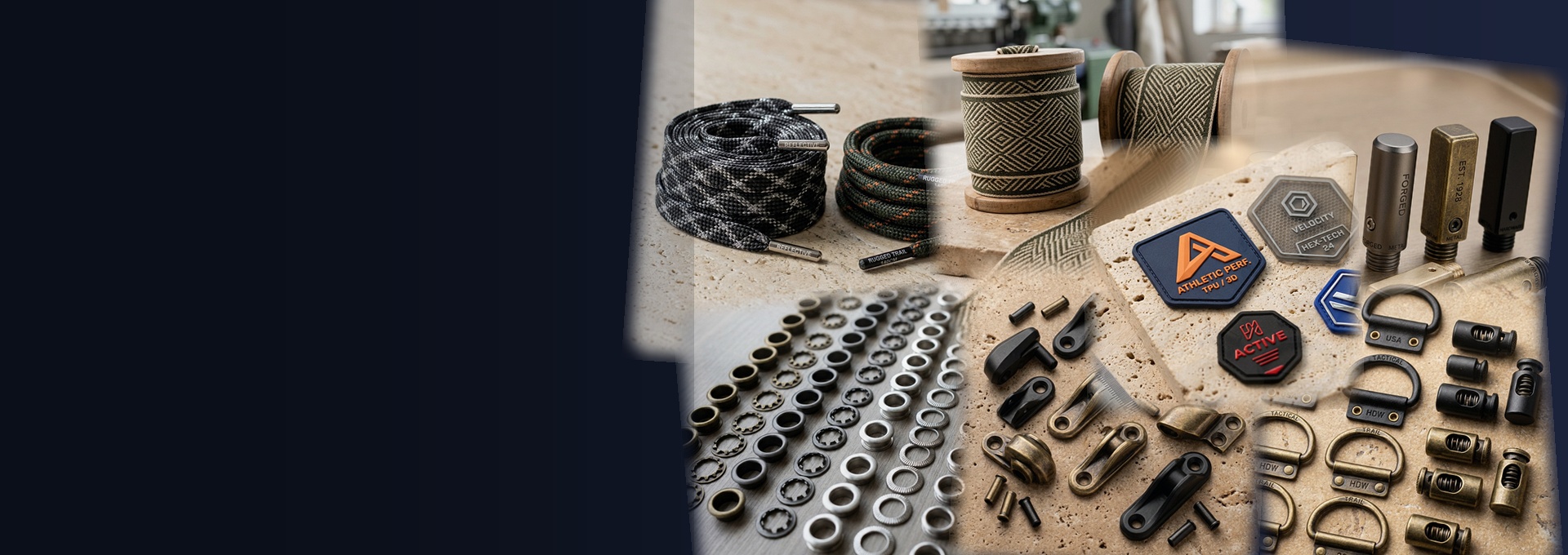
OEM/ODM shoelaces, metal eyelets, speed hooks, webbing, TPU labels and custom shoe accessories for footwear brands and factories. Explore the product families and send your application details for an item-specific quote.
Jinjiang Naike Eco Technology Co., Ltd. supplies footwear trims and hardware for brand, factory and sourcing projects. Review the product families, development workflow and item-specific evidence available for your project.
Based in Jinjiang, Fujian, China.
Explore shoelaces and aglets, eyelets and hooks, webbing and seam tapes, branding trims, and decorative findings.
Share a drawing, reference sample, material, finish and target application so the team can review a suitable specification.
Testing, declarations, MOQ and lead time vary by product and project. Request current documents and confirm their scope before ordering.

Typical sourcing workflows for footwear brands, factories and buying teams.
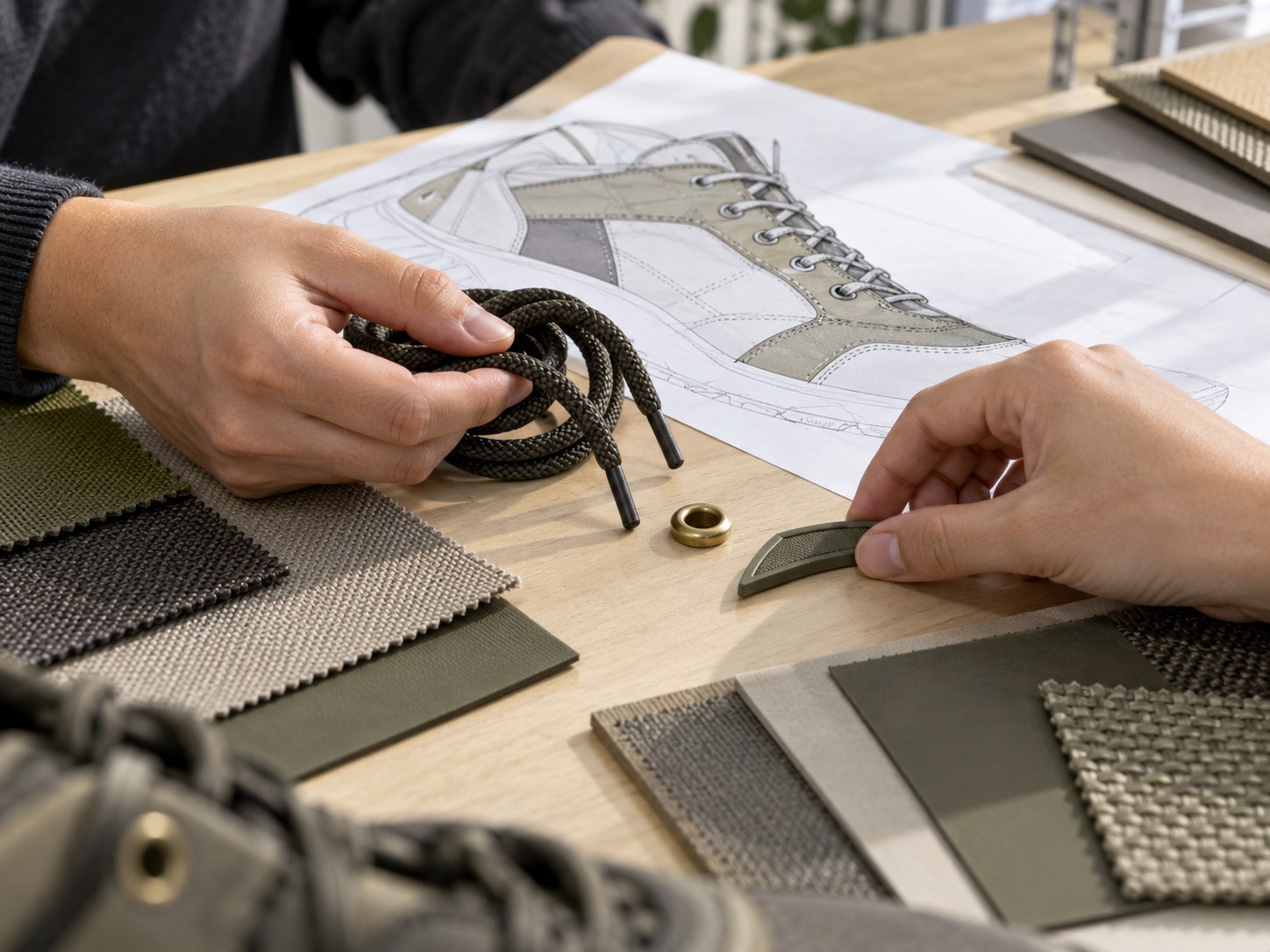
Review construction, footwear placement, material, dimensions, artwork and finish before preparing a sample for approval.
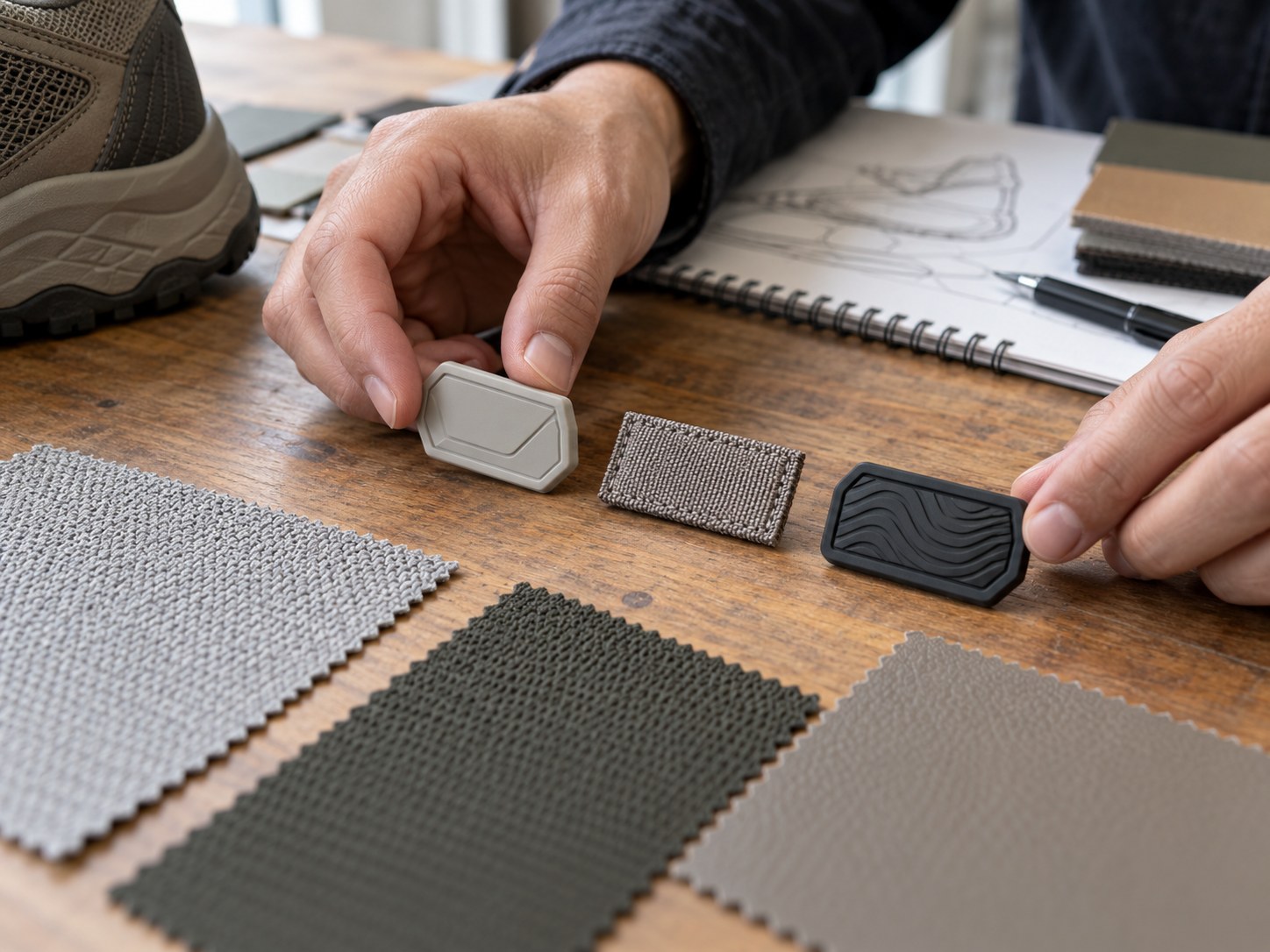
Choose a style from the product family, then review color, dimensions, logo method and construction changes.
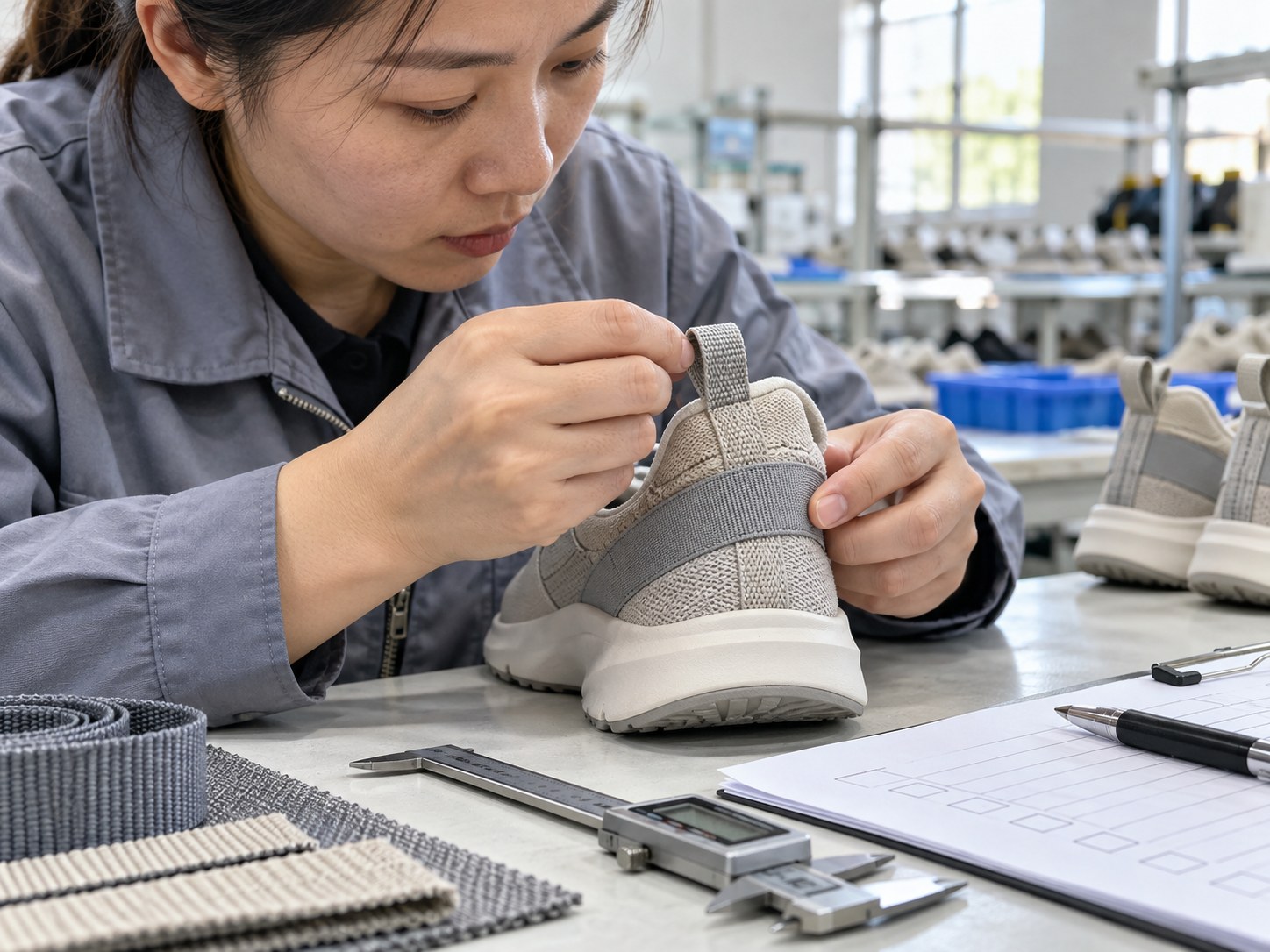
Review placement, attachment, inspection points, packing and any required test documents against the shoe model.
Explore five footwear trim product families. For each item, review available materials, dimensions, finishes, testing evidence and commercial terms through a project-specific quotation.
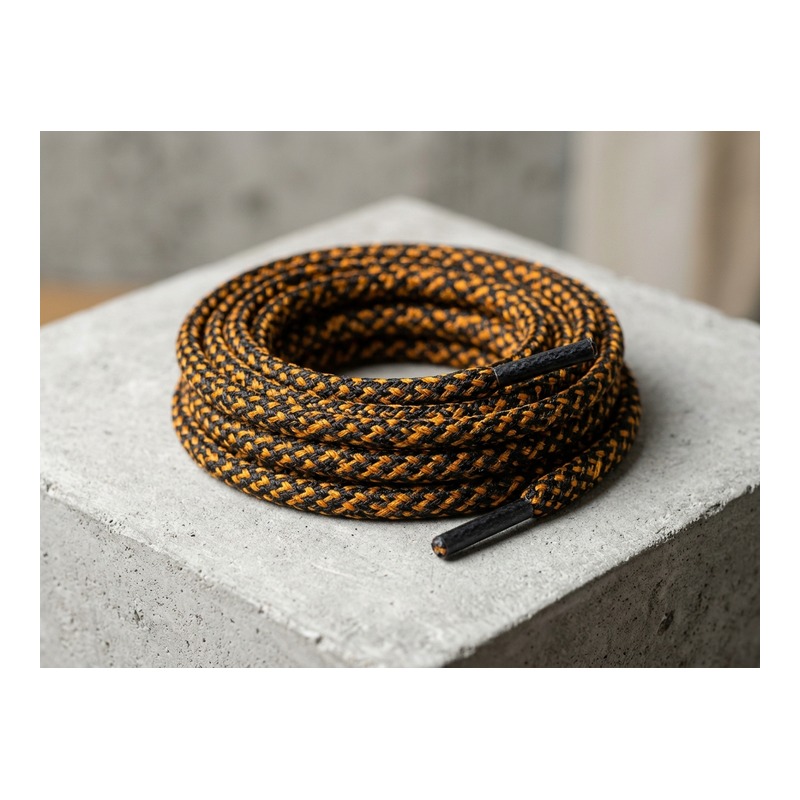 Line 01 • Fastening Systems
For sneakers, work shoes and outdoor footwear: compare lace profile, weave, tip construction and eyelet fit.
Specify length, width, yarn, color, tip type and any abrasion or colorfastness target.
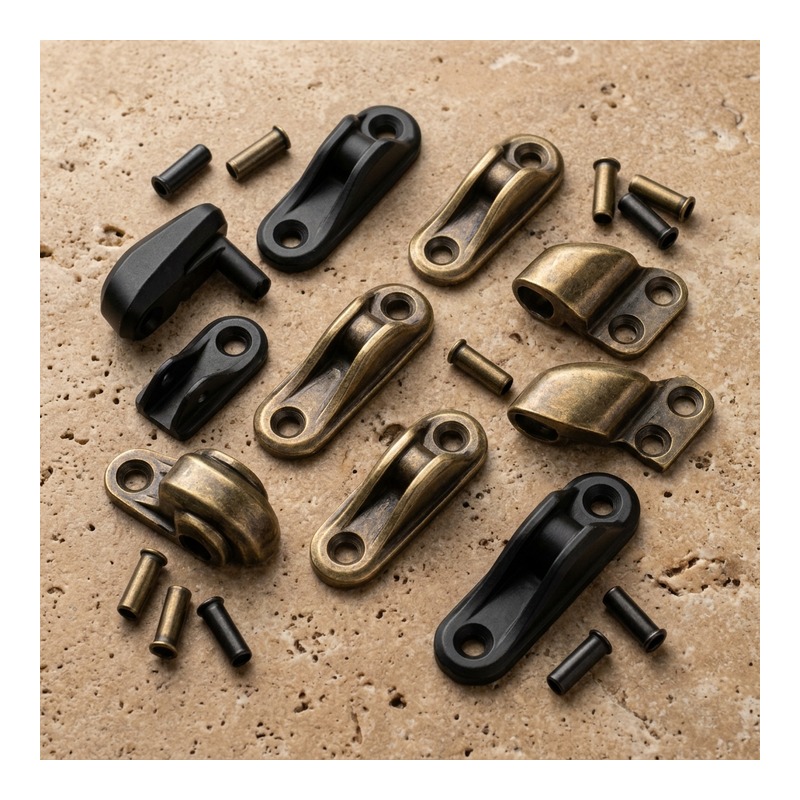 Line 02 • Functional Hardware
Select hardware around the shoe upper, lace load and setting method, from eyelets to hooks and D-rings.
Specify hole size, base metal, finish, washer or rivet, and corrosion test requirement.
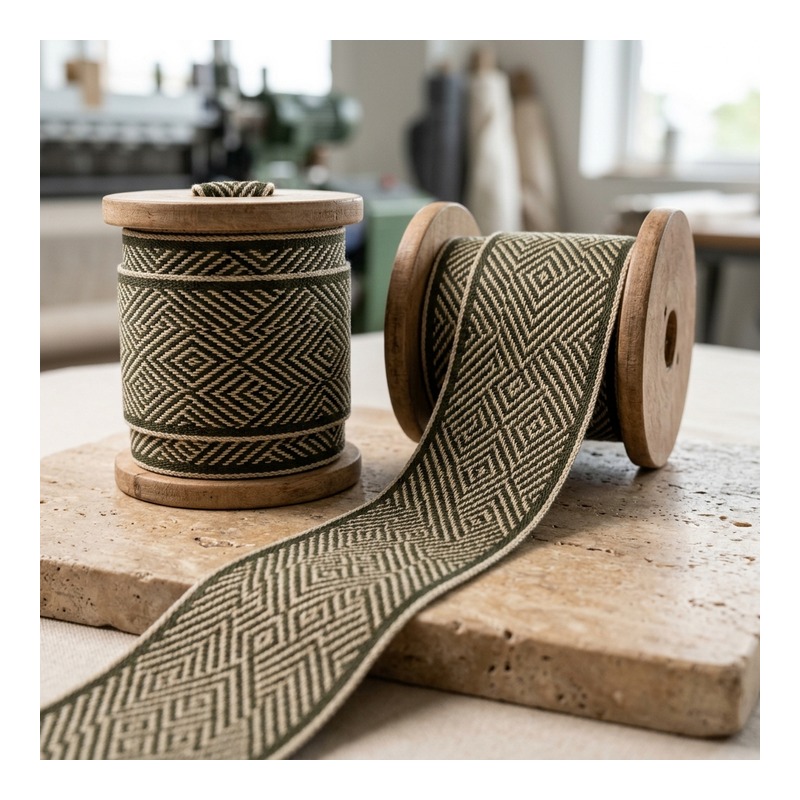 Line 03 • Functional Webbing
Build heel pull tabs, binding and seam tape around the upper material and assembly process.
Specify width, weave, substrate, bonding method and tensile or wash test target.
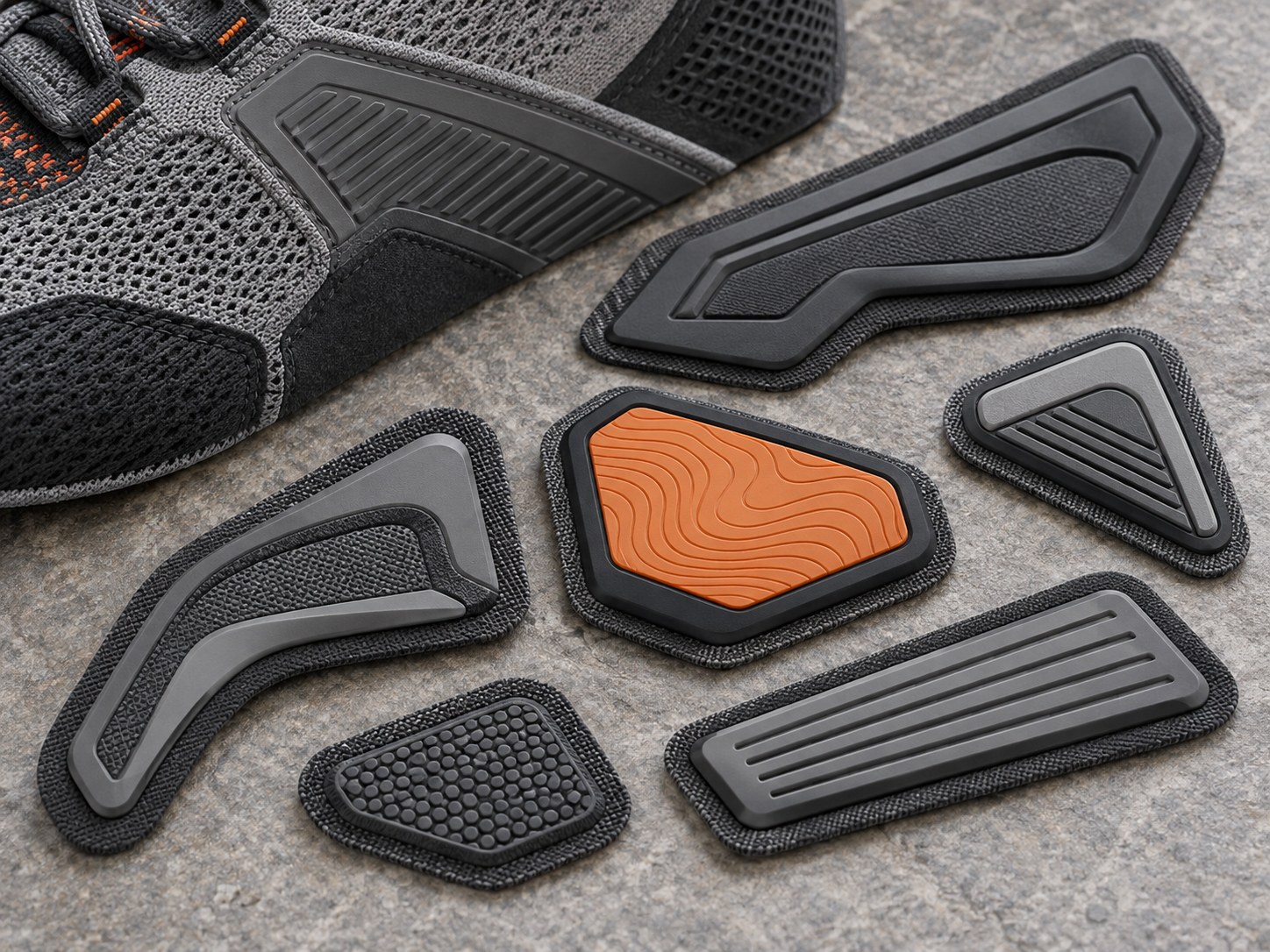 Line 04 • Brand Embellishments
Apply brand artwork to uppers, tongues and heels with molded, woven or transfer constructions.
Specify artwork, dimensions, colors, relief, backing and attachment process.
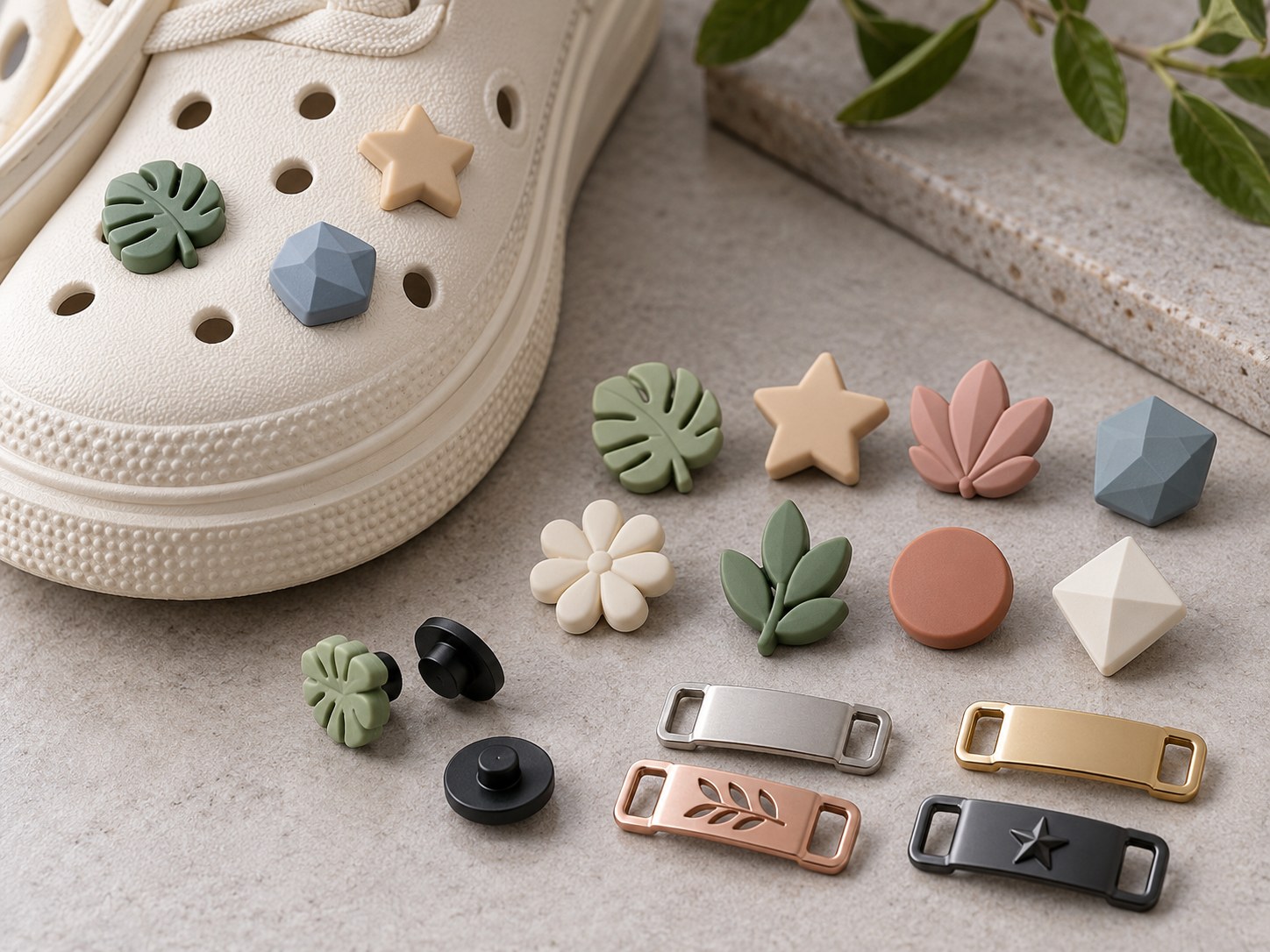 Line 05 • Trend Findings
Choose decorative parts around the shoe opening, upper material and intended age group.
Specify footprint, material, color, attachment geometry and retention test scope.
Browse representative styles from our footwear trim families. Share the style reference and your application to confirm current materials, specifications and project terms.
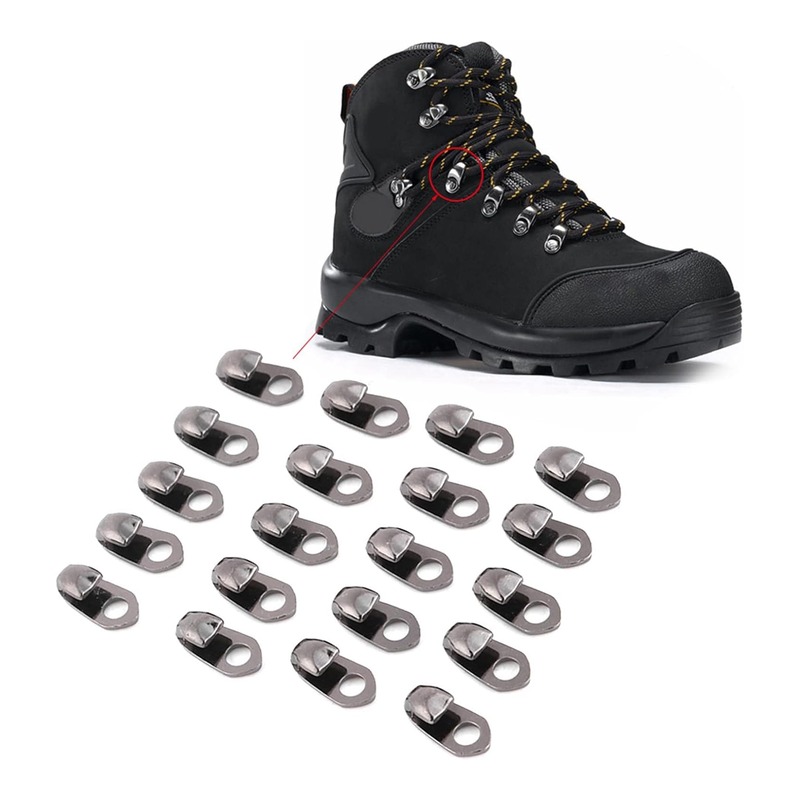
Review hook geometry, lace fit, attachment and finish requirements.
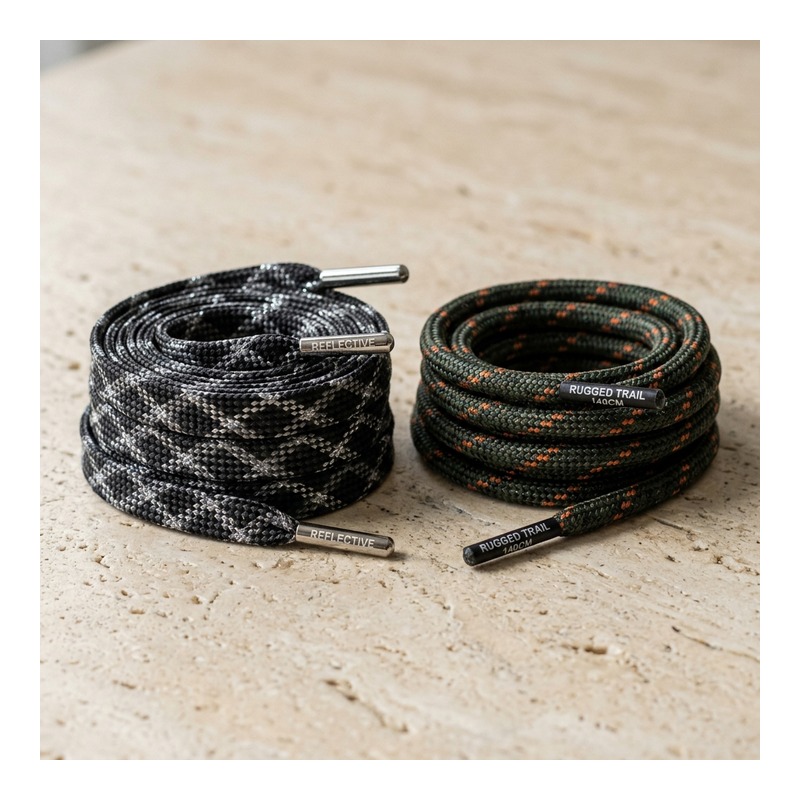
Coordinate construction, color and reflective-yarn placement.
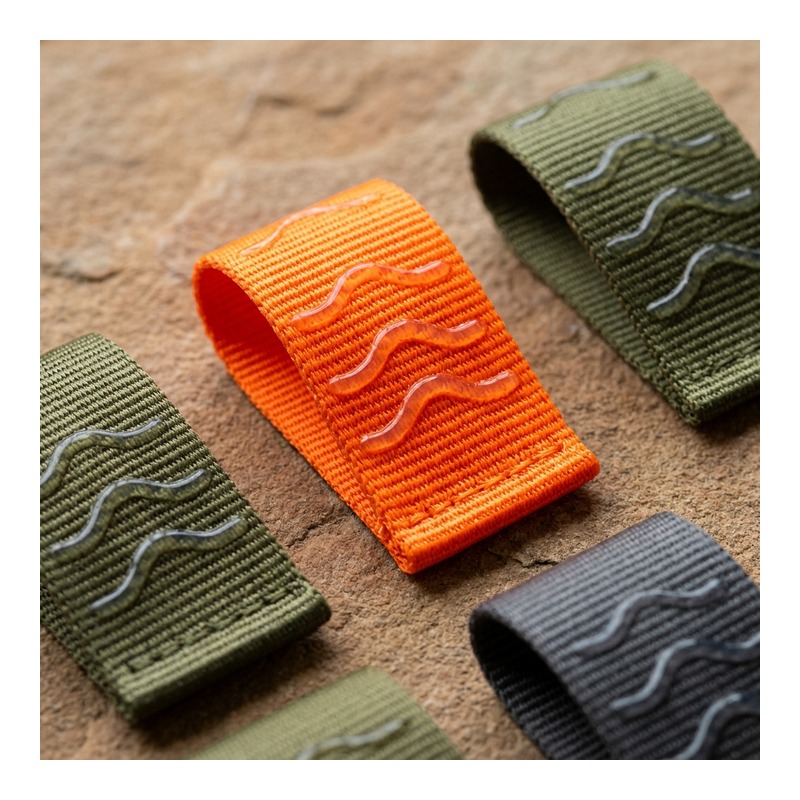
Confirm composition, webbing construction and any evidence scope.
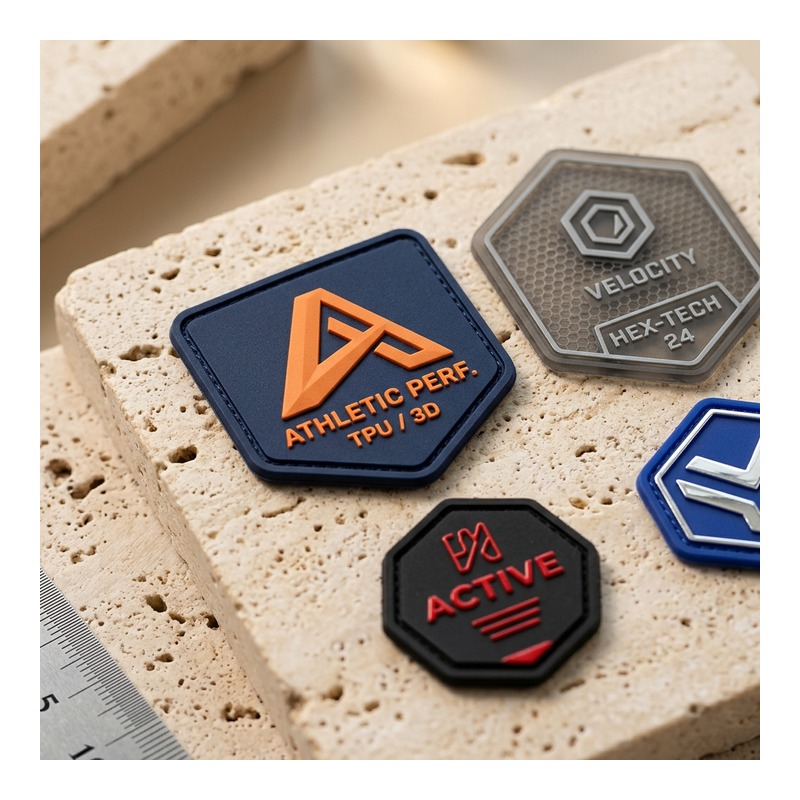
Share artwork, color reference, dimensions and placement.
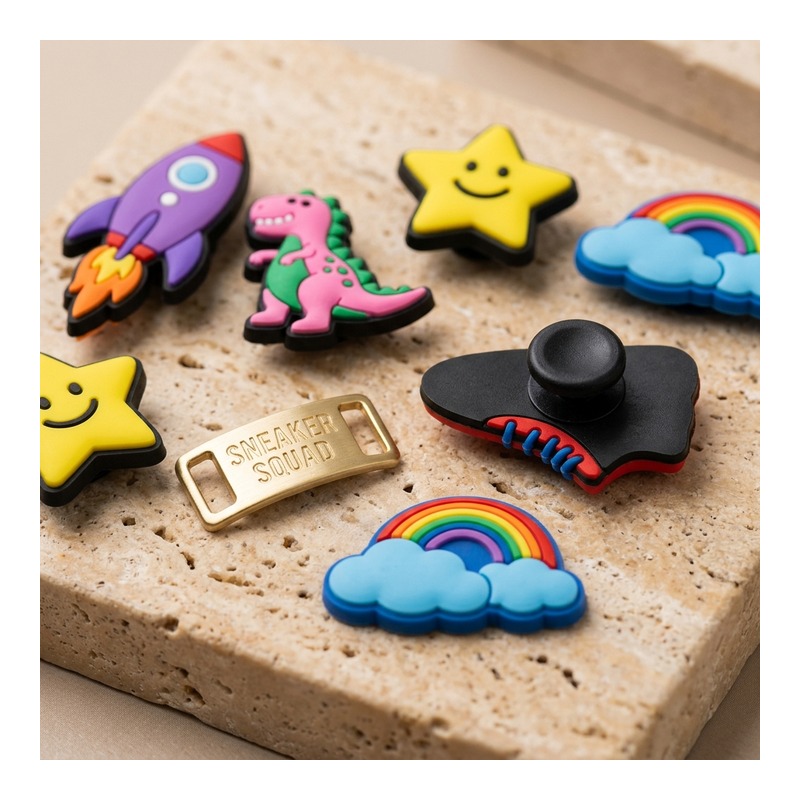
Check attachment fit, material, color and target-use requirements.
Explore custom shoe charms, reflective laces, speed hooks and recycled polyester pull tabs. Compare the styles and send an RFQ for the items that fit your footwear program.
Explore reflective flat laces and secure lace hooks for running-inspired and outdoor footwear.
Explore laces & hooks →Compare webbing construction, pull-tab fit and material documentation.
Explore RPET pull tab →Turn artwork into raised shoe branding with a placement and attachment plan.
Explore TPU badge →Develop colorful, molded details around the shoe opening and attachment fit.
Explore shoe charm →Buyer-focused guides on footwear trim materials, attachment, testing and sourcing decisions.

Understand finish selection, salt spray test scope and how to document corrosion acceptance criteria.
Read Guide →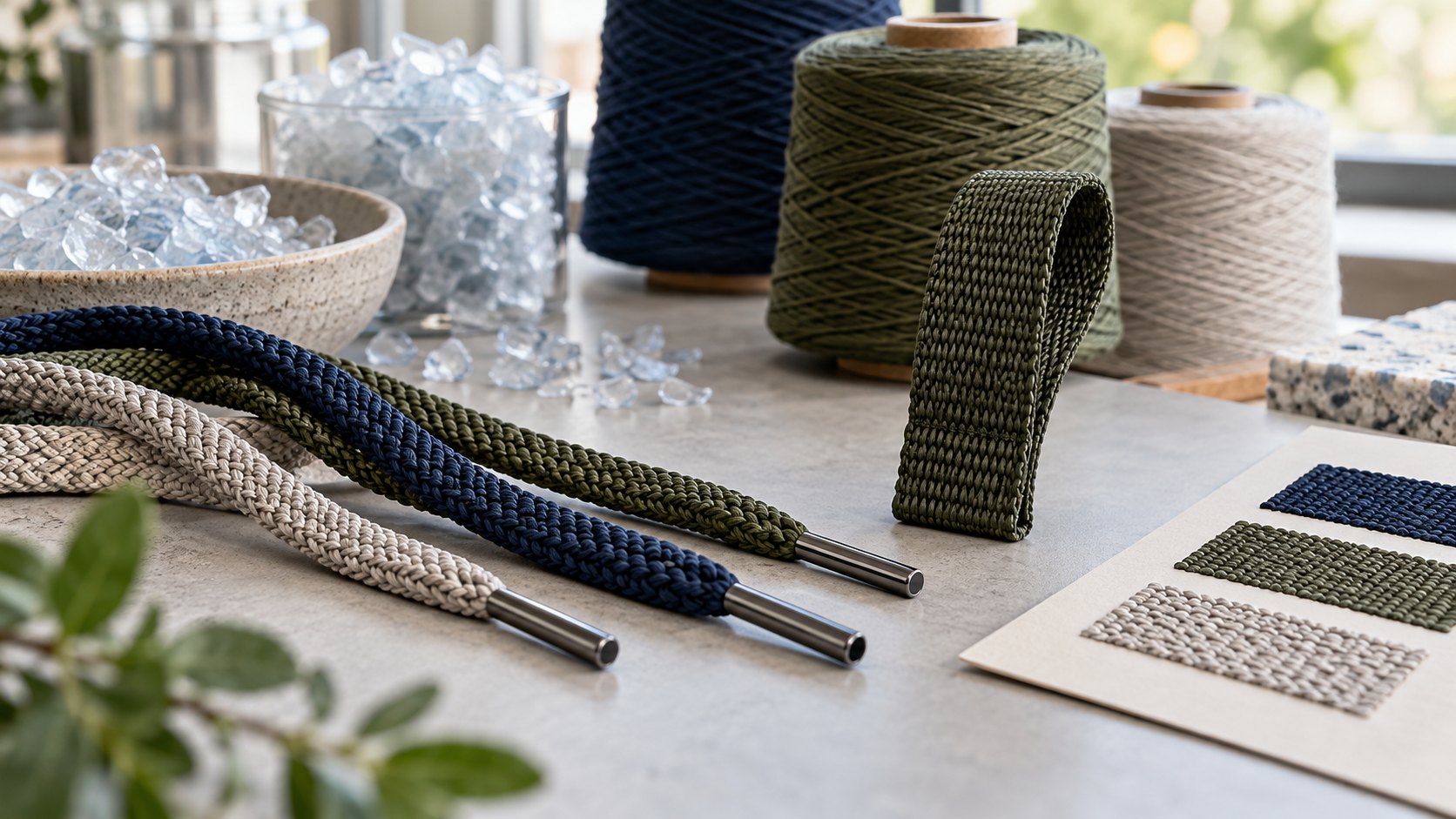
Review recycled-content documents, material traceability and pull-tab strength requirements.
Read Guide →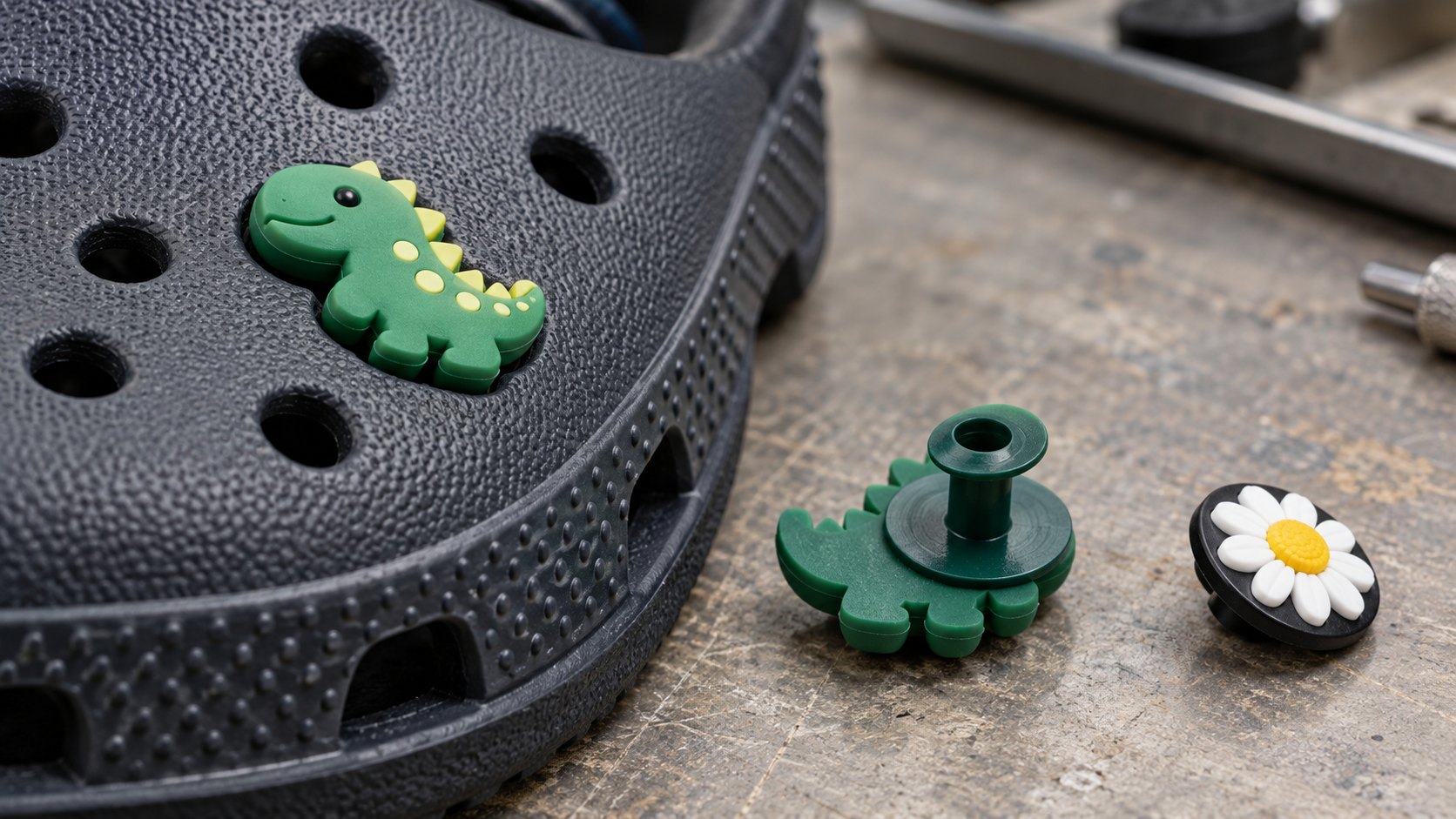
A checklist for reviewing charm attachment design and agreeing on product-specific testing.
Read Guide →Tell us which footwear trim you need. A short description is enough to start.