
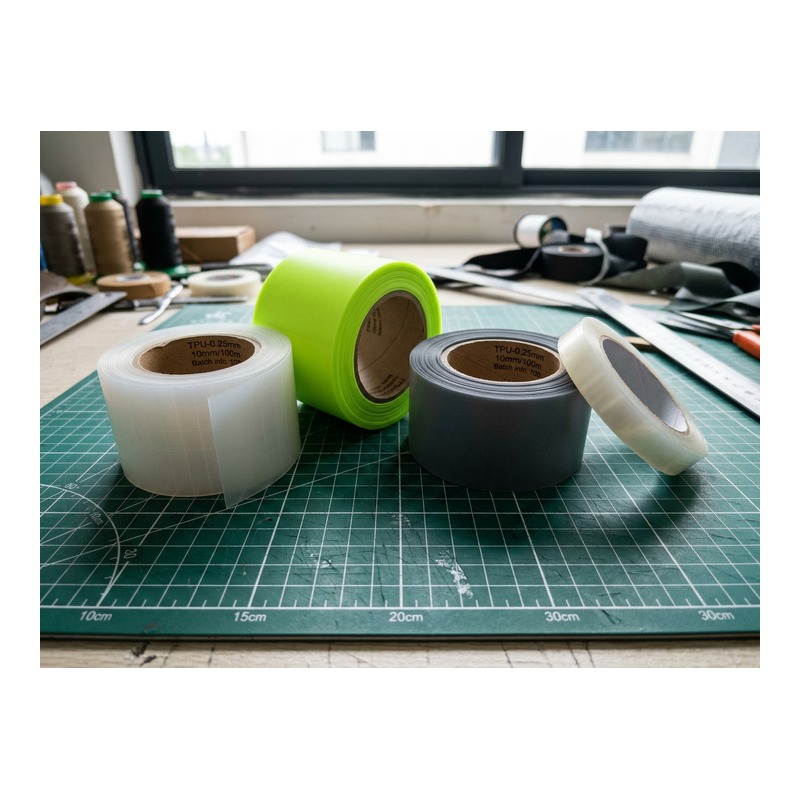
WEBBING & TAPES
Footwear webbing, elastics and seam tapes
Heel pull tabs, jacquard webbing, elastic constructions and seam-sealing tape concepts. Confirm width, weave, stretch, bonding surface and application.
Explore webbing & tapes →We develop and produce footwear trims, webbing, labels, hardware and decorative components for shoe factories, footwear brands and sourcing teams. Start with your drawing or sample, or review an existing style and define what needs to change.
OEM · Your design, manufacturedBuild from your drawing, sample or authorized artwork; project tooling and branding are scoped with you.
ODM · Adapt an existing styleStart from a current product family and review possible changes to size, color, logo or finish.
Footwear application firstReview fit with the upper, lining or sole interface for sneakers, work shoes, children’s footwear, sandals and other shoe types.
These are the current core product families shown on this site. Additional accessory requests are reviewed for construction fit and availability before being quoted.
Heel pull tabs, jacquard webbing, elastic constructions and seam-sealing tape concepts. Confirm width, weave, stretch, bonding surface and application.
Explore webbing & tapes →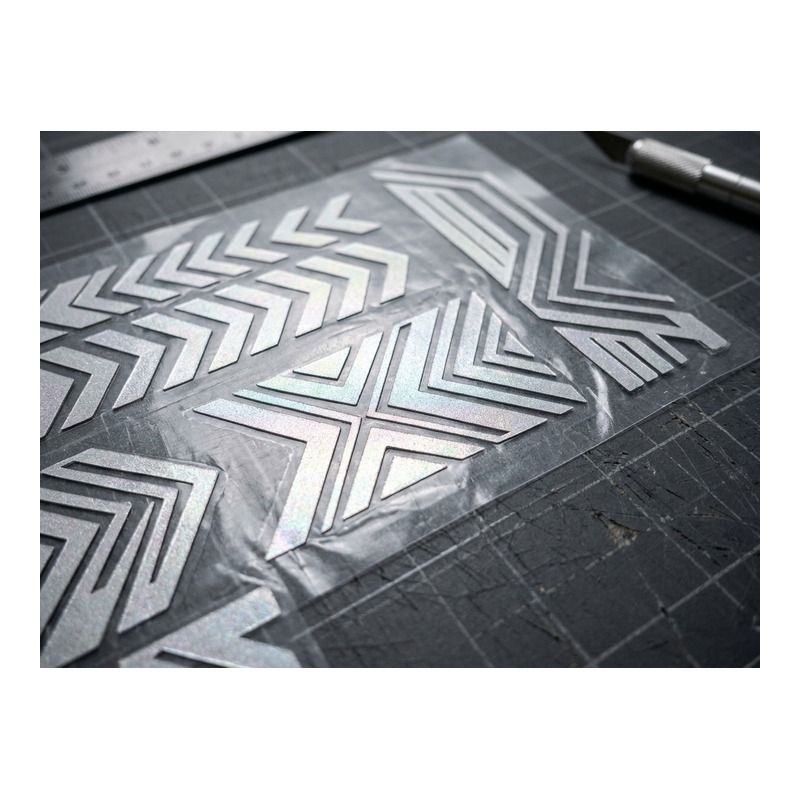
Review TPU branding trims, PVC-style charms and molded details against artwork, placement, attachment method and footwear substrate.
Explore branding trims →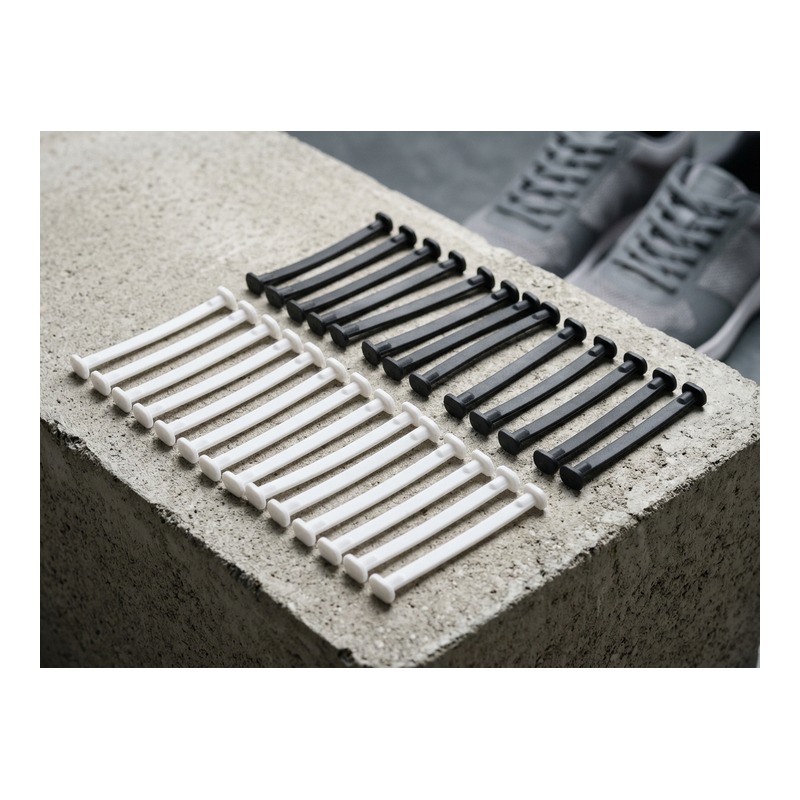
Share profile, length, color, yarn or cord construction, aglet design and performance requirements for the shoe model.
Explore shoelaces →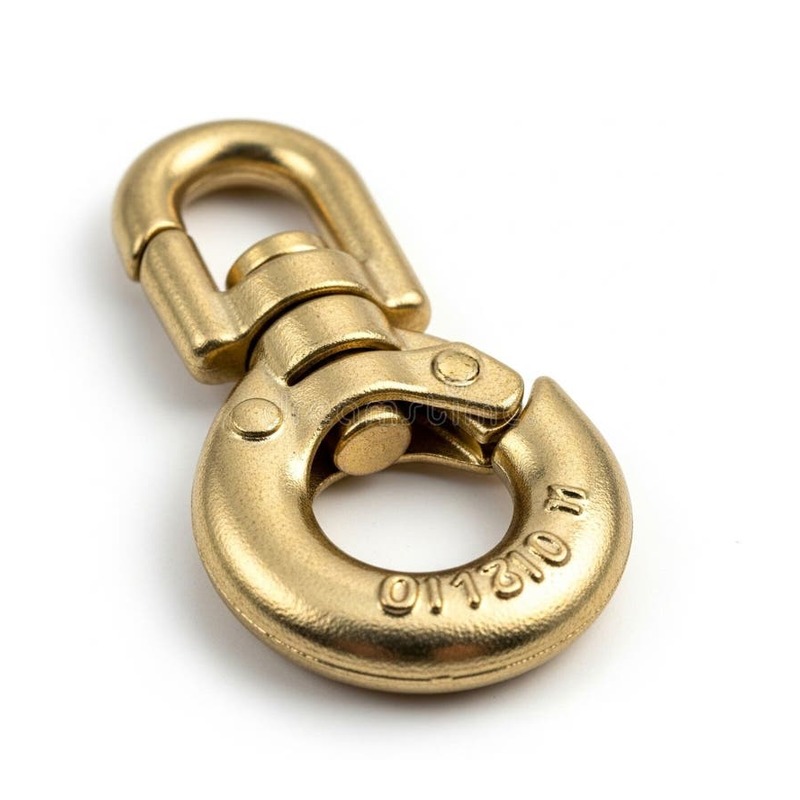
Check component shape, base material, finish, lace compatibility, installation and corrosion requirements for the footwear assembly.
Explore hardware →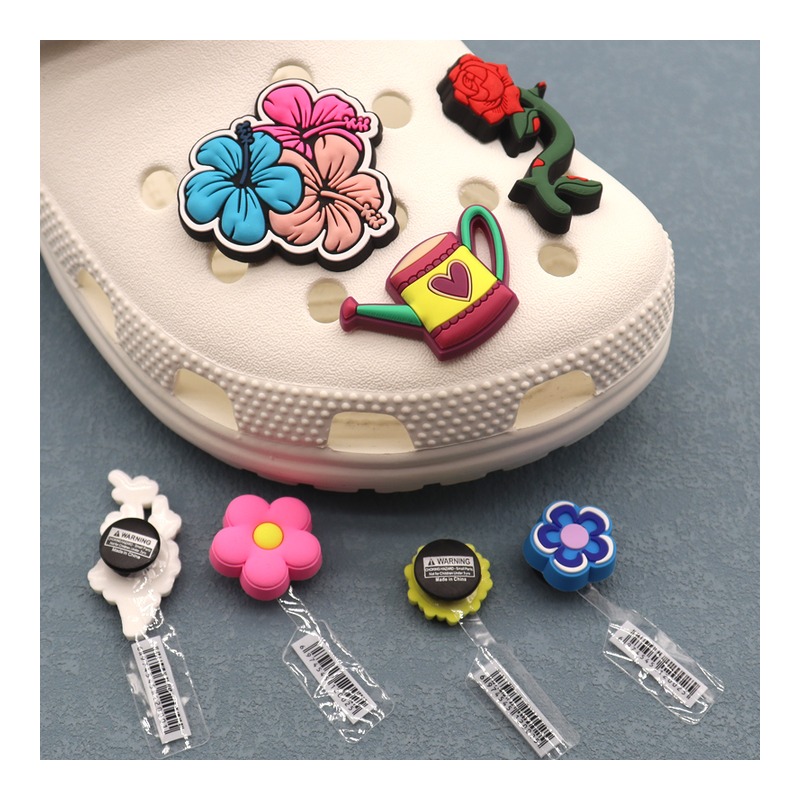
Review opening fit, attachment geometry, edge finish, material and repeated-use checks for the target footwear platform.
Explore charms & findings →Hook-and-loop, woven or embroidery labels, size labels, hang tags, reinforcement pieces, binding and edge tapes can be reviewed by material, construction and sourcing scope. Ask us to confirm availability before specifying them in a program.
Check an accessory request →Images show representative footwear trim concepts. Final product, construction, material, sourcing route and commercial terms are confirmed for the selected project.
Both routes are project-based. Confirm design ownership, tooling scope, sample approval and production terms in writing.
For footwear factories and brands with a defined specification or product design.
For buyers who want to adapt a product-family style to a footwear program.
Documents and tests are not universal across all products. Match each declaration or report to the material, item, supplier, transaction and destination-market requirement it covers.
Ask whether a current declaration or test report is available for the selected material and scope. A declaration is not the same as an analytical report.
For skin-contact or lining applications, verify certificate holder, product class, covered article and validity before relying on a certificate.
For recycled-content claims, check the applicable certificate and transaction evidence for the specific material and order. Do not infer coverage from a logo alone.
State the age grade and target country. CPSIA or other component testing must be scoped and arranged for the actual material and product requirement.
Request test methods and results for tensile/pull strength, abrasion, color fastness or other requirements where current item-specific evidence is available.
Confirm responsibility, acceptance criteria, timing and charges at each stage.
Send a sample, drawing or authorized artwork. State adult or children’s footwear, shoe type and trim location: upper, lining or sole interface.
Check construction, material, fit, test needs, destination market, quantity and the applicable OEM or ODM route.
Confirm unit pricing, MOQ, sample charges, tooling, packaging, payment milestones and delivery terms by item.
Review artwork or tooling proof, then make a sample according to the agreed scope and schedule.
Record the approved revision, color, fit, finish, attachment and any test acceptance criteria before bulk production.
Agree in-process controls, final inspection method, sampling plan and defect limits. AQL applies only when specified and agreed.
Confirm carton marks, packing breakdown, destination, Incoterms, freight responsibility and shipment documents.
Share your product style and target quantity to receive an itemized quotation with order terms.
Request a written quoteQuote by product, color and construction. Existing designs and new tooling are priced separately.
The quote lists sample cost, tooling cost, sample delivery date and tooling ownership.
The quote lists the approved specification, production schedule, packing plan and Incoterm.
The pro forma invoice lists deposit, balance, payment method and payment milestones before production.
Include enough detail to identify the product fit and avoid a generic quotation.
Clear answers about product scope, development files and the quotation process.
Naike’s core categories are shoelaces and aglets; eyelets, hooks and hardware; webbing and seam tapes; molded branding trims; and shoe charms and footwear findings.
OEM starts from your drawing, authorized artwork, 3D file or physical sample. ODM starts from an existing style in a product family and adapts the agreed details. Both routes use a buyer-approved sample before bulk production.
Send vector artwork in AI, EPS or vector PDF format. Include the finished dimensions, colors and placement, and confirm that you are authorized to use the artwork.
Yes. Send clear photos and identify the trim’s location on the shoe. Include the sample or drawing, mating material, dimensions and target market so the team can review the construction and tooling scope.
Include your company and contact details, footwear type, trim family, OEM or ODM route, dimensions, material, color reference, quantity, destination market and target delivery date.
No. The website RFQ form does not accept file uploads. Email drawings, sample photos or vector artwork to [email protected] and include your company name and product family.
No. Test reports and declarations apply only to their stated item, material, sample, method and scope. Name the destination market and required document or test so the matching evidence can be checked.