
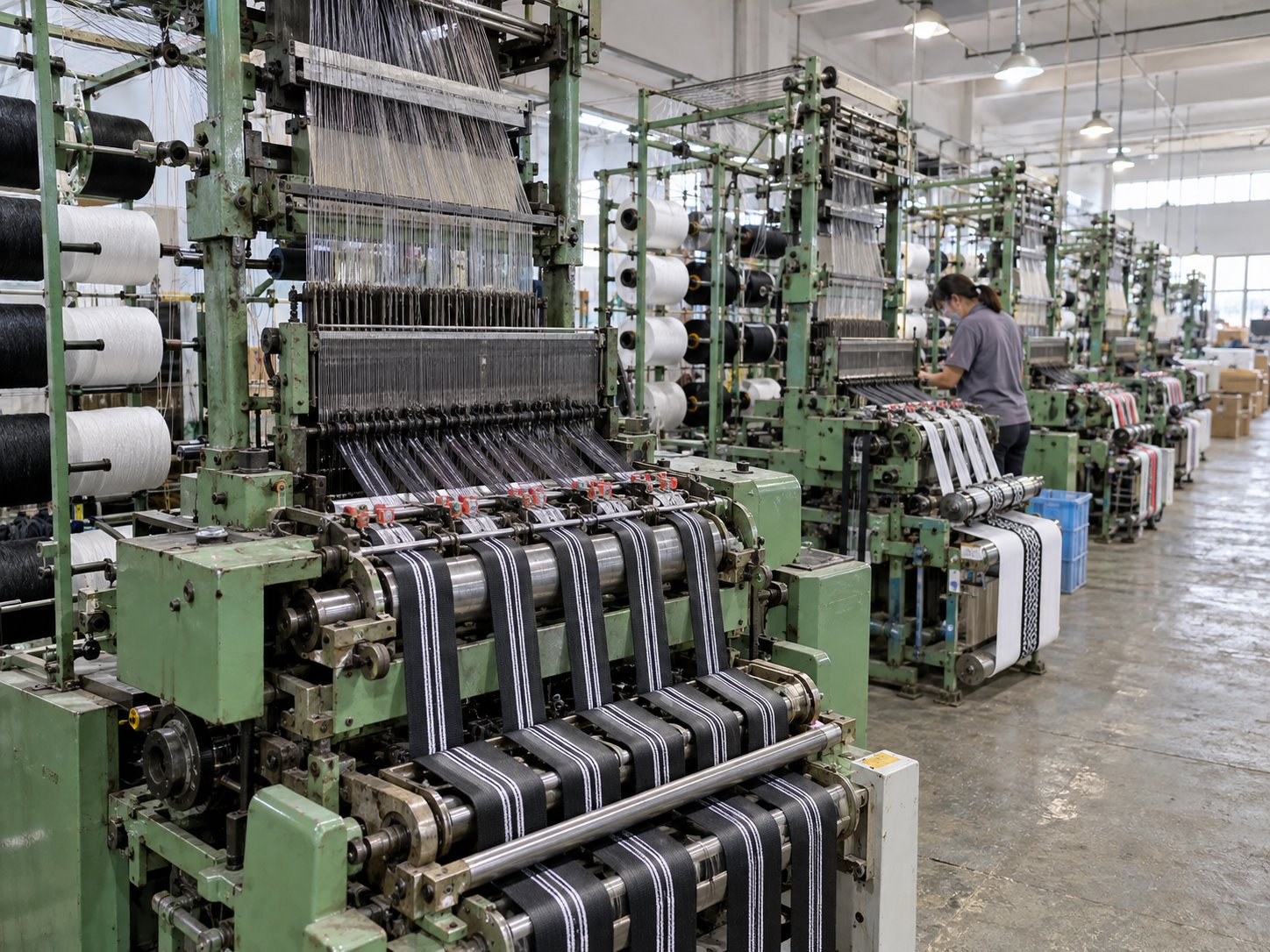
Narrow Fabric Weaving Workshop
Representative weaving processes for shoelaces, narrow webbing and patterned tapes.
Explore the product families and representative processes behind Naike’s footwear trims. For each RFQ, we confirm the relevant material, construction, sample requirements, inspection plan and available documentation against your project.
Choose a family to review examples. Construction, color, dimensions, available finishes and order terms are confirmed for each selected item.
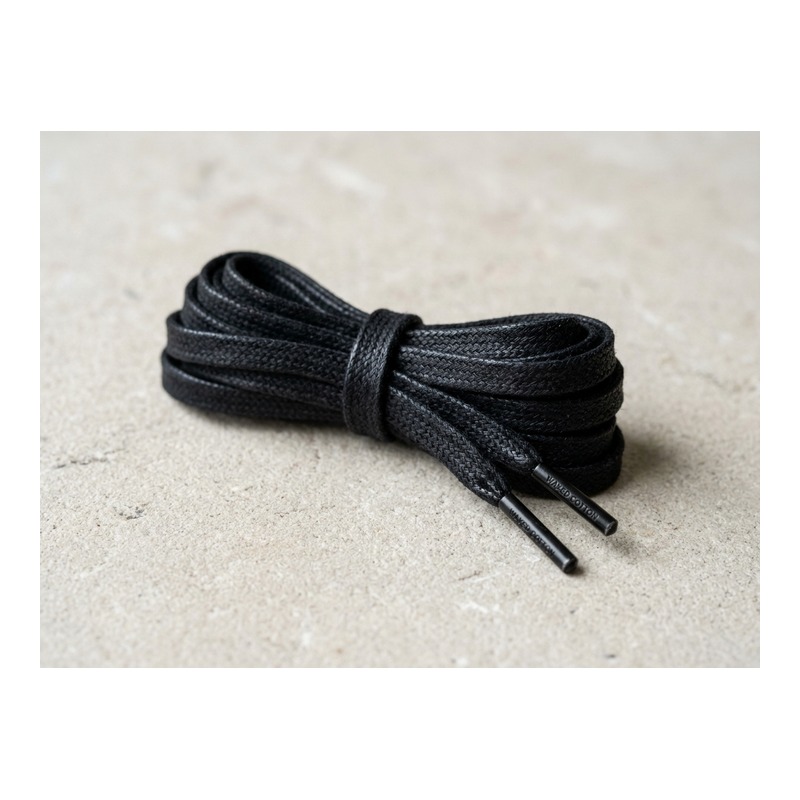 Shoelaces & agletsYarns, braids, patterns, tips and packaging detailsExplore family →
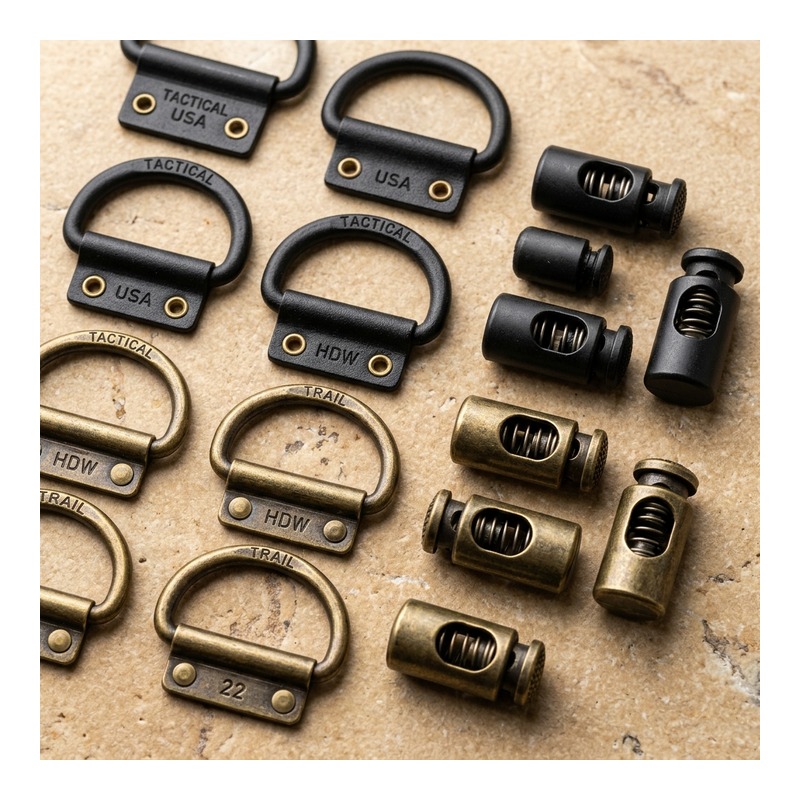
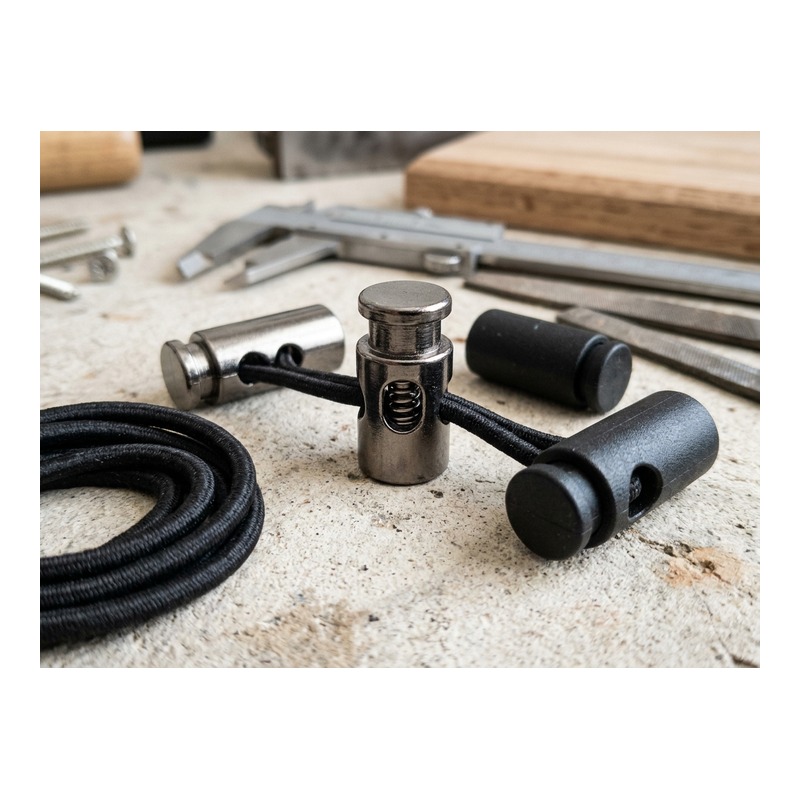 Eyelets, hooks & hardwareBase material, finish, dimensions and corrosion criteriaExplore family →
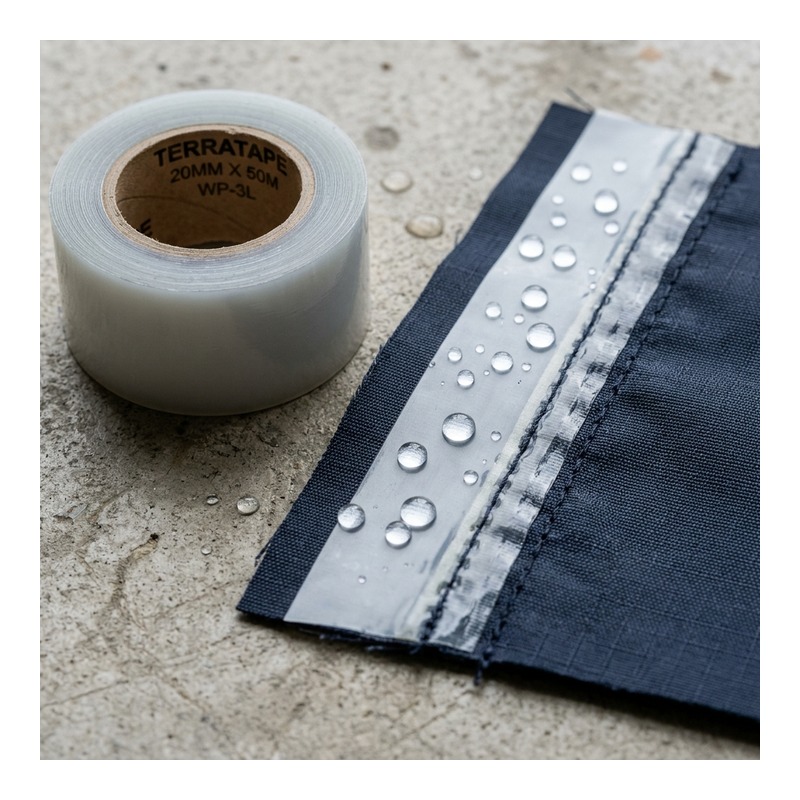 Webbing & seam tapesFiber content, width, color and application requirementsExplore family →
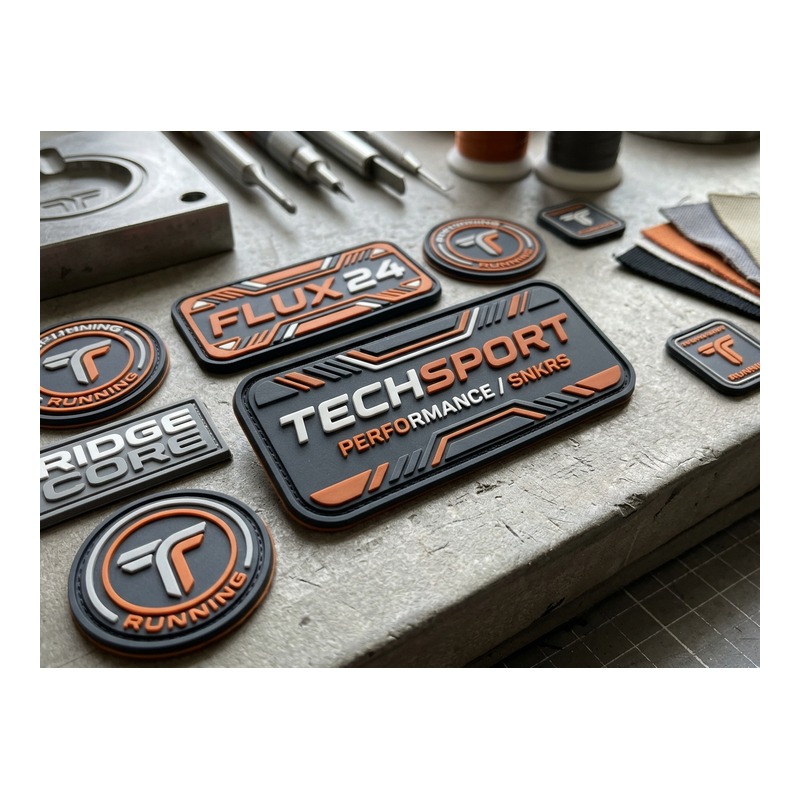 TPU branding trimsArtwork, relief, placement and attachment methodExplore family →
Product photos show representative examples. Confirm the exact SKU, material, construction and current availability before ordering.
Representative weaving processes for shoelaces, narrow webbing and patterned tapes.
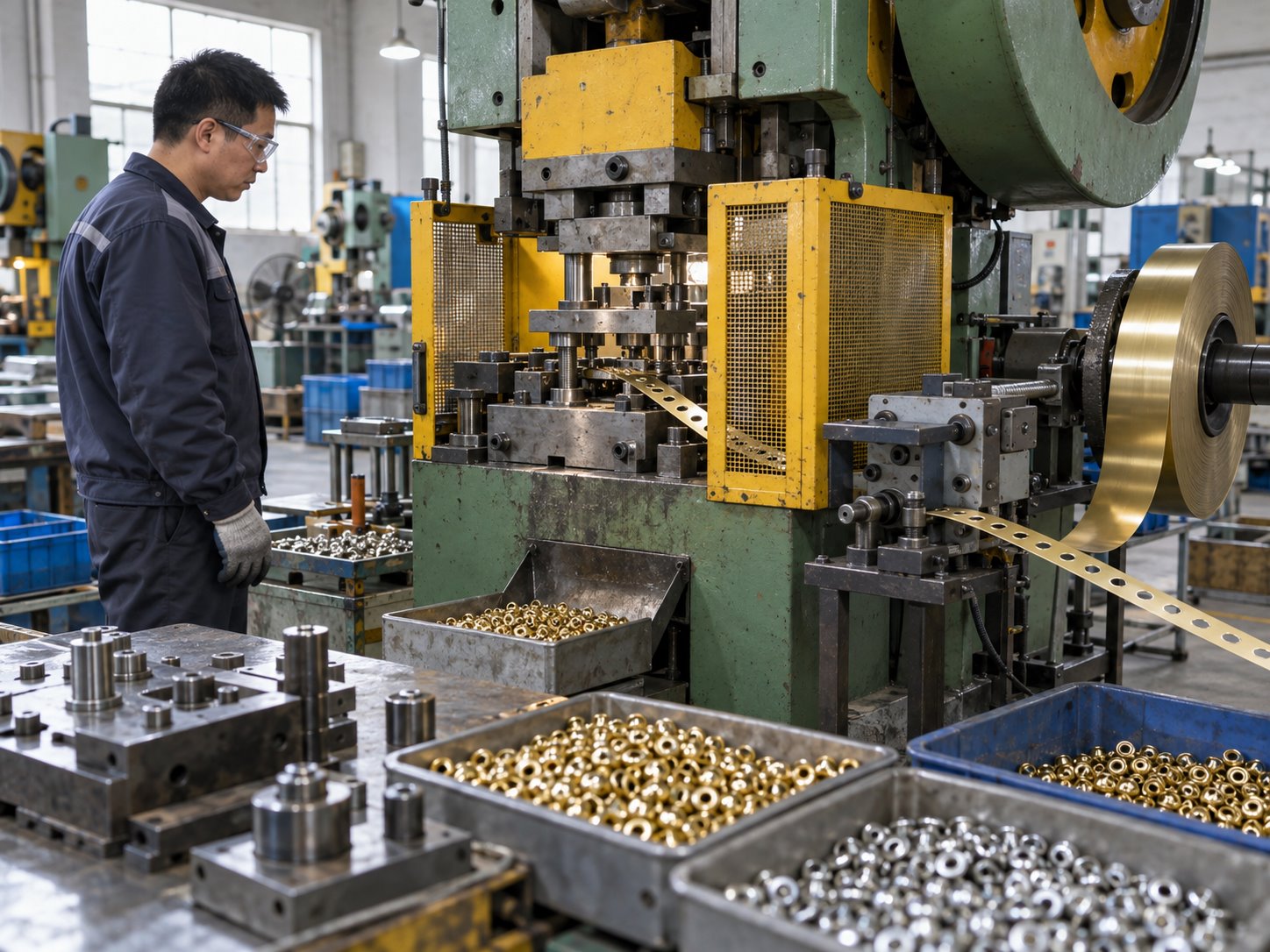
Representative forming processes for eyelets, hooks and related footwear hardware.
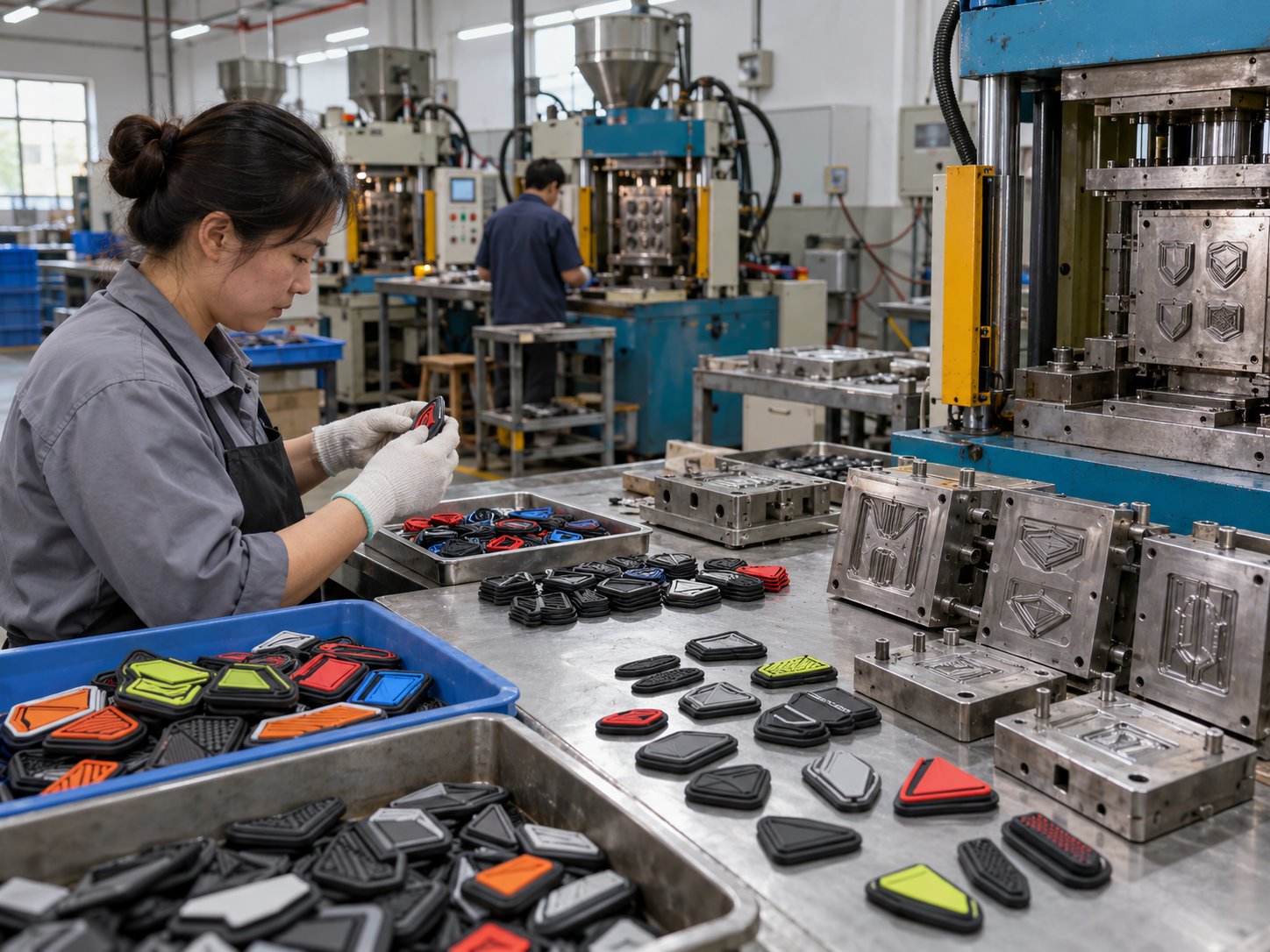
Representative molding and inspection processes for TPU badges and footwear branding trims.

Representative CNC machining and mold-work processes for footwear trim development.
Test methods and acceptance limits depend on the item, material, finish and buyer specification. Confirm the sample identity, method and criteria before testing.
For eyelets, hooks and metal trims, define the substrate, finish, test method, exposure time and failure criteria.
For laces and webbing, agree dimensions, tensile or pull requirements, color reference and any requested rub or wash test.
For TPU, PVC or silicone trims, confirm the shoe application, attachment method, sample conditioning and inspection points.
Share the target market and buyer test protocol when requesting a quote. Available facilities, external laboratories and report scope must be confirmed for the specific project.
Agree the product requirements and acceptance evidence early, so sampling and quotation are based on the same specification.
Share the product family, application, drawing or reference sample, target market, estimated quantity and requested delivery window.
Confirm the proposed construction, open questions, customization needs and which process or supplier scope applies to the item.
Review the sample against agreed reference points. Record changes and the approved version before bulk production terms are finalized.
Set the inspection records and documents needed for the order. Confirm MOQ, charges, lead time, packaging and shipping terms in writing.
A document is useful when its issuer, item, scope, method and validity match your requirement. Different records answer different questions.
Check tested sample identity, material and finish, test method, date, result and acceptance criteria. A test report applies to its stated sample and conditions.
Ask about a product report →Confirm the material grade, supplier or article covered, required market/list version, threshold and supporting evidence. A declaration is not a blanket certificate for every SKU.
Share your market requirement →Check the legal entity, address, audit or certificate scope, validity dates and any exclusions. Verify whether a document covers the site, process or product in your order.
Request current documents →Availability and document scope vary by product, facility and transaction. Request current copies for review; do not infer a certification or compliance result from a general capability statement.
A concise brief helps us route your request to the relevant product and production team.